
We have some exciting dates for your diary coming soon!
〰️
We have some exciting dates for your diary coming soon! 〰️
THE INSTITUTE OF CLASSICAL OSTEOPATHY
Furthering Classical Principles and Practice

WHAT IS CLASSICAL OSTEOPATHY?
Classical Osteopathy brings a traditional view to the profession in the 21st century. Classical osteopathy is a science that studies the organism and the way it works and adapts as viewed through a philosophical lens that seeks understanding of that individual. Classical osteopathy is therefore not merely based on manipulation of parts, but rather on interacting with this individual through the art of Body Adjustment.
Irvin Korr, in his address to the British osteopathic community in 1996 at the Commonwealth Institute London, said;
“I remind you further of another principle. You do not treat symptoms, you do not treat pain, you do not treat diseases, you do not treat parts of the body, you do not treat the musculo-skeletal system; you treat persons, you treat human beings. It is they who get well or not, depending on the competence of their built-in health care system. I would like to hear you saying this more and more, that you are treating more than a musculoskeletal system.”
The overriding principle of classical osteopathy is therefore not bony adjustment, but body adjustment. Our traditional philosophy is what makes classical osteopathy distinct. And it is this philosophy which is taught on the Institute’s courses.
What Makes Classical Osteopathy Distinct?

#1 Fundamental Concepts
#2 Applied Physiology
#3 Applied Mechanics
#4 Body Adjustment
ICO Shop Highlights
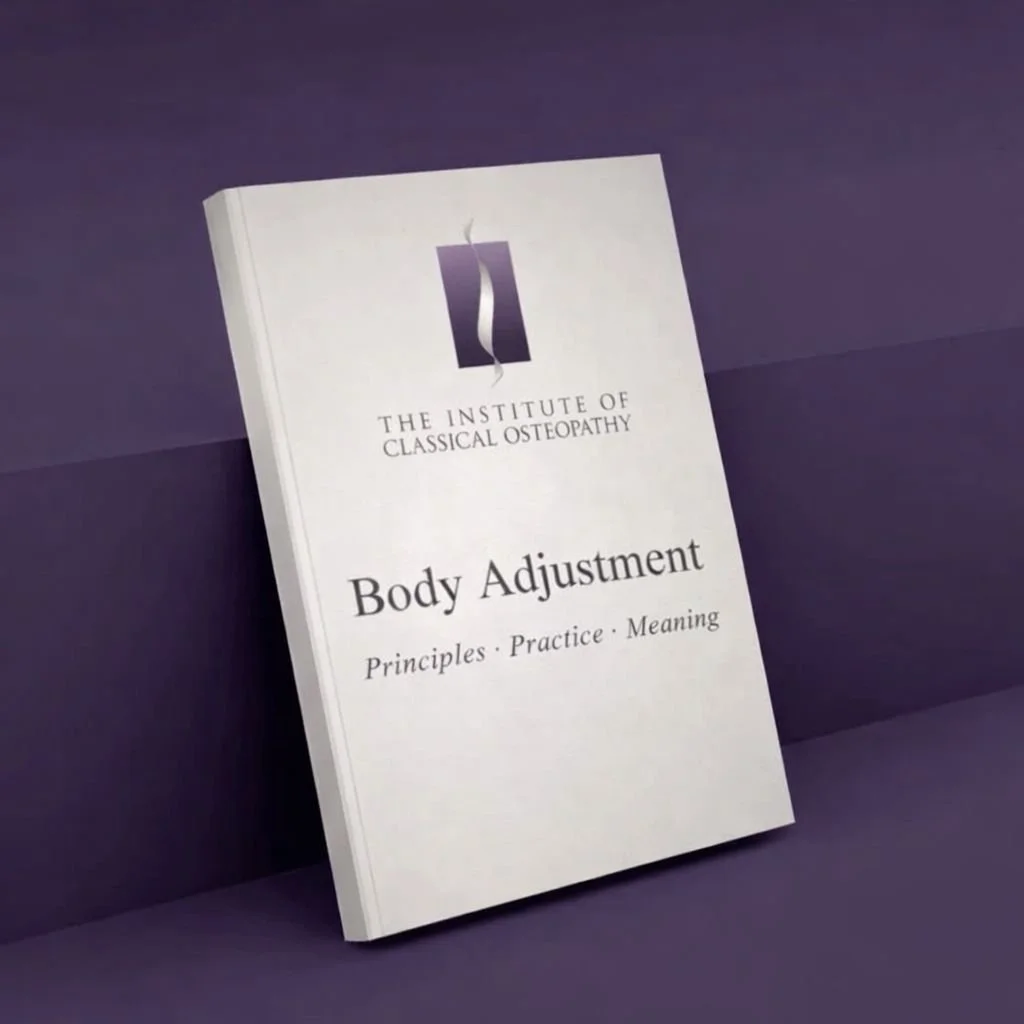
Body Adjustment presents a multifaceted exploration of Classical Osteopathy's integrative approach to treatment — not as a fixed technique, but as a living dialogue with the body.
Bringing together voices from across generations and international practice, this collection weaves history, philosophy, clinical reflection, and practical insight into a coherent understanding of the work. Through practitioner narratives, conceptual enquiry, and methodological discussion, it explores how attentive touch, rhythm, and long-lever engagement support the body's innate capacity for adaptation, balance, and selt-regulation.
Moving from roots and principles through lived experience, underlying mechanisms, and clinical application, the book concludes by reflecting on the enduring legacy of Body Adjustment as a compassionate, responsive, and evolving osteopathic tradition.
ISBN: 978-1-0369-6081-0
THE INSTITUTE OF CLASSICAL
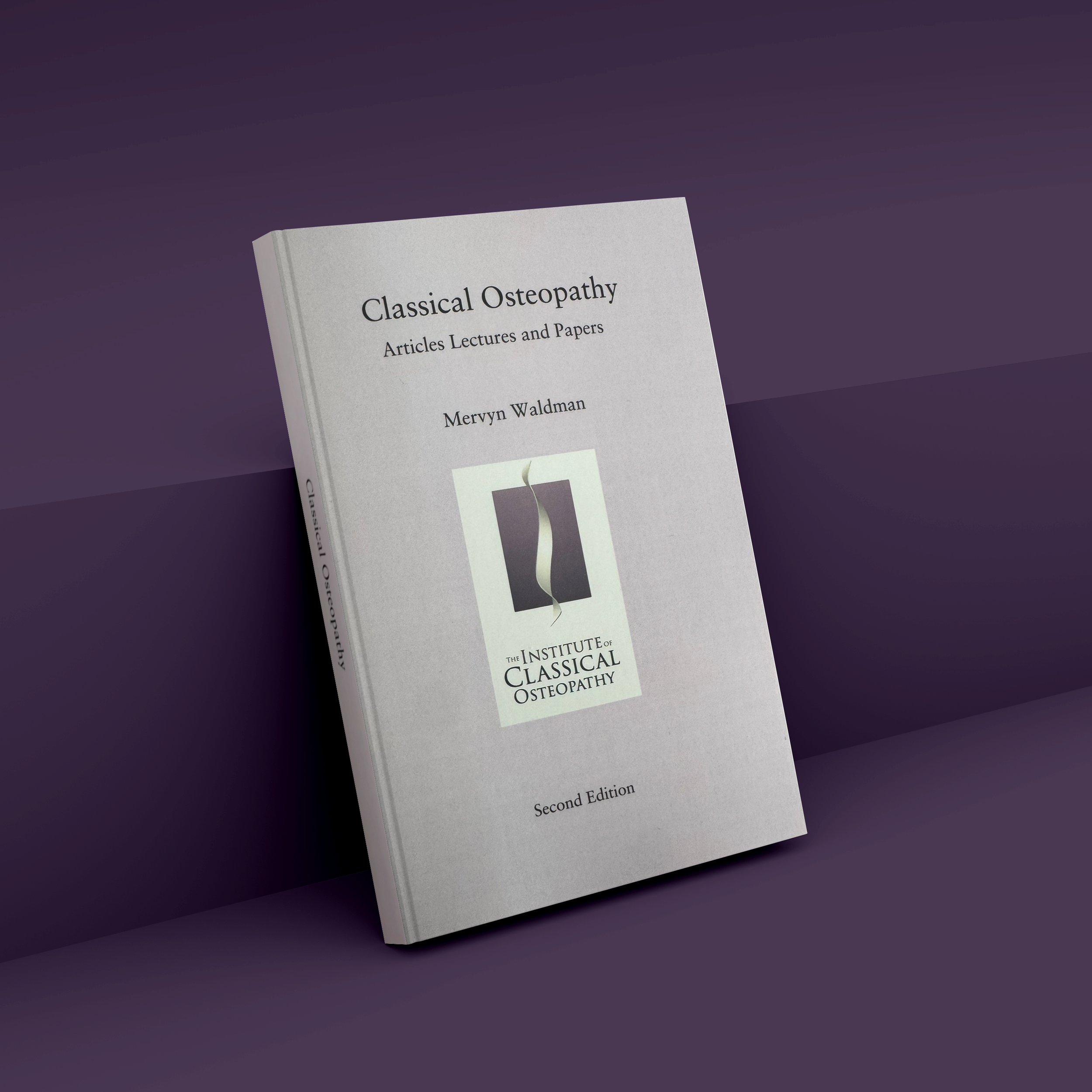
Mervyn Waldman, Compiled by Alex Milne
As a result of the increasing interest shown by students and graduates in classical osteopathy, the Institute thought it timely to publish this collection of articles and lectures I have written over the past thirty years and more. They were composed in the attempt to clarify the principles of the osteopathy practised by the founders of the profession, more often than not in the face of epidemic disease, profound injury and disability.
This second edition has been carefully reviewed and re-edited for clarity and consistency, while preserving the original content. In addition to the original chapters, new material has been added to reflect the continued evolution of classical osteopathic thought and its application to contemporary clinical issues. These additions include discussions on tensegrity, fascia, diagnostic testing, pain classification, and the osteopathic understanding of neurogenic and inflammatory mechanisms. Together, they offer a deeper exploration of how osteopathic principles remain relevant in modern practice, particularly in the understanding and treatment of pain.
Contents
Introduction
The Tragic Emasculation of British Osteopathy
Osteopathic Terminology
What is Classical Osteopathy?
An Outline of the Principles and Practice of the Total Body Adjustment /General Treatment
An Osteopathic View of Acute & Chronic Disease
Osteopathic Treatment of Acute Disease in Infants and Children
Osteopathic Bedside Treatment of the Acute Adult and Geriatric
The Principles of Classical Osteopathic Technique
Notes on Acute Low Back Pain in the Scoliotic Patient
An Analysis of the Osteopathic Lesion
Centres of Oscillation
Characteristic Features of Osteopathic Treatment
Headache – its Diagnosis and osteopathic Treatment
The Use and Abuse of Cervical Manipulation and Analgesics in the Treatment of Whiplash Injuries
The Osteopathic Treatment of Diseases of the Ear, Nose and Throat
Inhibition
The Lymphatic System
Rhythm
Primary Concepts and Patho-Physiological Mechanisms in Osteopathic Medicine
Spinal Balance
The technique of AT Still
The Osteopathic Technique of JM Littlejohn
The Pathophysiology of Chronic Back Pain
Converting the Physical into the Physiological
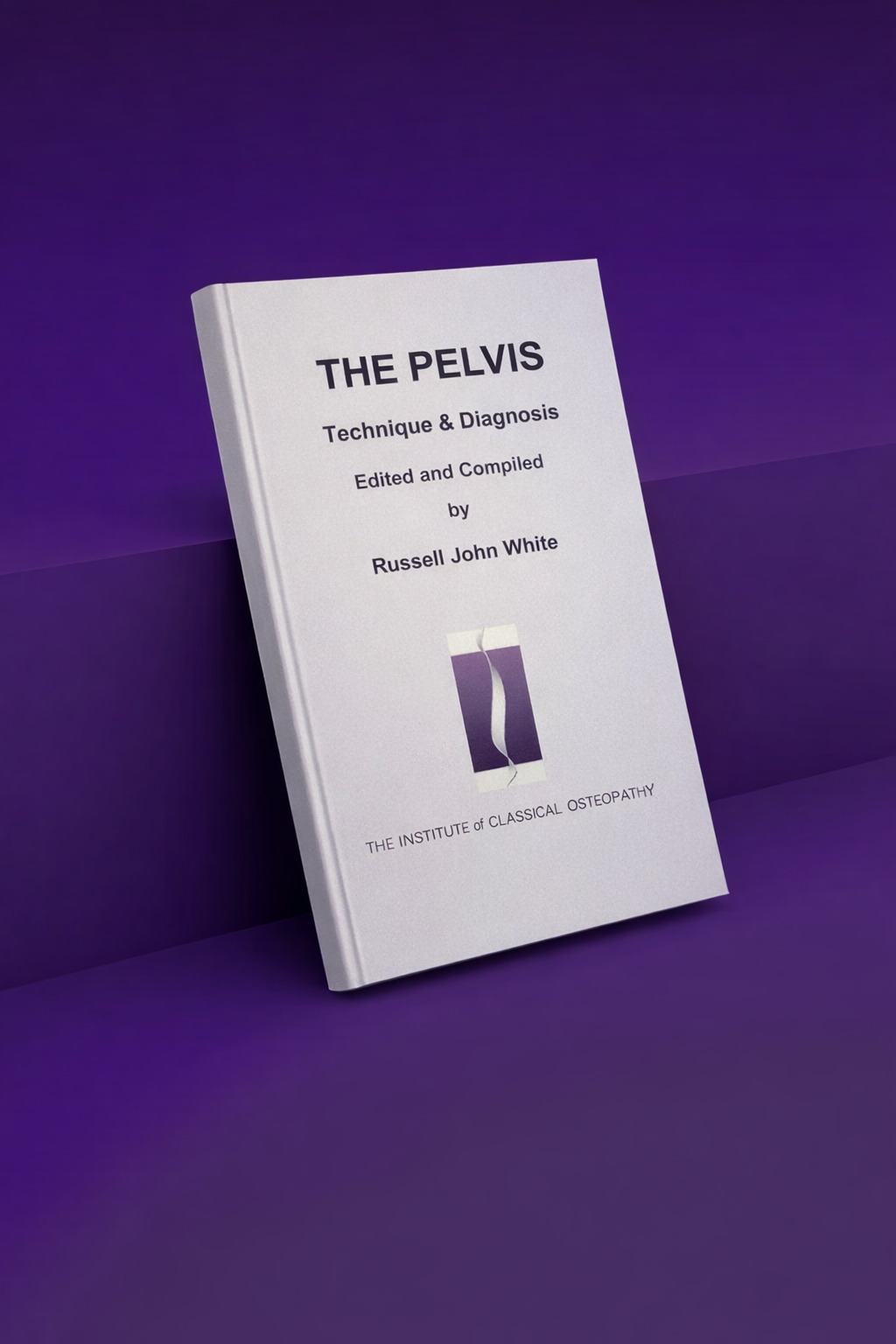
The Institute of Classical Osteopathy has always held the view that the "why" is at least as important as the "how" and the articles in this volume attempt to deal with both the "how" and the "why". This book aims to provide help and guidance for the busy osteopath as well as that essential stimulus for the "thoughtful and reflective practitioner" - food for thought!
The articles are taken from the archives of the Institute of Classical Osteopathy and cover many aspects of diagnosis and technique. Different viewpoints are given, some of them seemingly contradictory and this reflects the complexity of lesion patterns in the pelvis.
Different techniques and treatment approaches are described in some detail, but perhaps here we should recall the wisdom of T.E. Hall who often stated that "technique is eighty per cent correct diagnosis" i.e. make the correct diagnosis and the correct application of technique should be relatively easy.
To get maximum benefit from the ICO we recommend that you join the Institute as a member.
Books and Digital content can be purchased and downloaded from the ICO shop.
Our latest Diploma Course will run over the course of two years. It will cover from the Foundation to the more Advanced Level, including online mentoring for clinical application.
Search the database to find the nearest Osteopath to you.

Our latest on
Contact Us
If you want to learn more about the Institute please fill in the form and we will get right back to you.